about

We’re building autonomy
for the world’s working machines.

Moravec combines industrial operations, remote control and machine learning to make existing heavy machinery more productive. We start by delivering work at lower cost, then use that experience to build autonomous capability.

Sydney, Australia Bali, Indonesia
the work

mission

Make skilled machine
operation scalable.

Our goal is heavy machinery that does useful work on its own, with people supervising and handling exceptions. Remote operation gives customers value now and supplies the experience our models need to learn.

  1. Remote operation

    available now

  2. Operator assistance

    in pilot

  3. Autonomous tasks

    in pilot

  4. Supervised fleet autonomy

    in development

the founders

Industrial experience.
Applied AI.

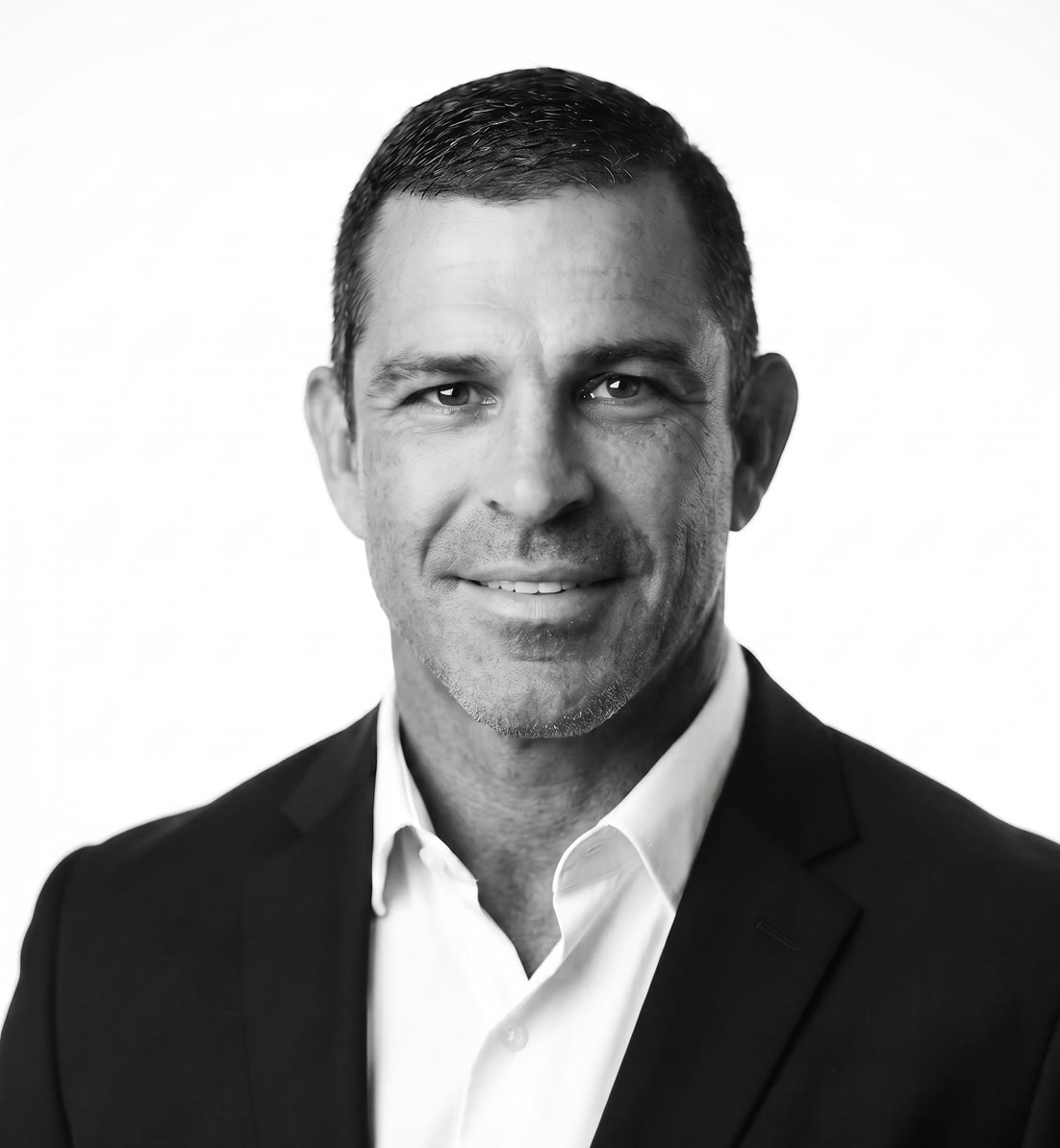
Portrait of Preston Toole

Preston Toole

Co-founder & CEO

Twenty years building automation, computer vision and managing some of the world's largest automated industrial aquaculture operations across Australia, the US and South East Asia.

Leads Moravec’s commercial strategy and deployment into working sites.

M.Sc. Computer Vision & Phenomics
industrial operations · automation · hardware · software

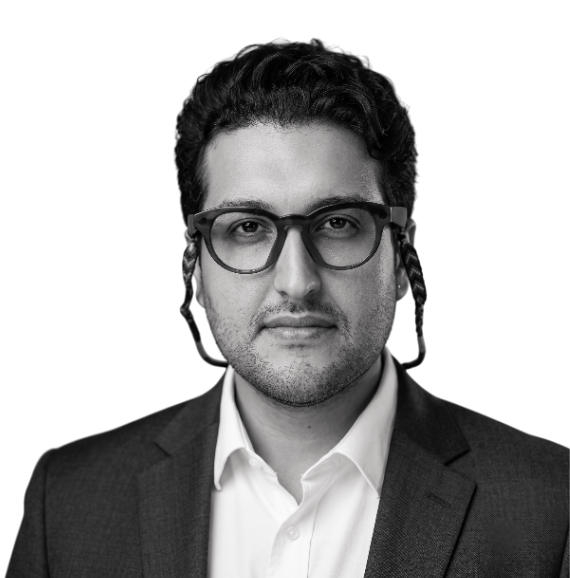
Portrait of Mahyar Osanlouy

Mahyar Osanlouy, PhD

Co-founder & CTO

Machine learning and robotics engineer who has shipped production AI at scaling startups, at Microsoft and across large government data programmes.

Leads the technology that connects remote operation, learning and autonomy.

PhD, Bioengineering
machine learning · computer vision · robotics · production deployment

why the name

Moravec's paradox

In 1988 the roboticist Hans Moravec named the strangest fact in artificial intelligence: reasoning, the ability we prize, is cheap for computers, and the physical skill we take for granted is the hardest thing a machine can learn. Chess fell decades ago; loading a truck still has not.

His explanation still stands. Evolution spent half a billion years refining perception and movement and only a moment on arithmetic, so the work that feels effortless from a cab is the deepest computation on earth.

Language models learned from an internet the world spent thirty years writing. No such record exists for skilled machine operation, so we are recording one: every command, every camera, every outcome, on working machines.

The recordings that matter most are the edge cases: the tangled grab, the bank that will not release the bucket, the load that shifts mid-swing. A simulator does not write those, and a lab cannot stage them.

An ordinary week of production writes them by the dozen, each with a skilled operator's answer attached. That is the data that teaches a machine, and the name of this company is a promise to collect it.
the stanford cart Hans Moravec standing beside the Stanford Cart, a four-wheeled camera robot, in the late 1970s.

Hans Moravec with the Stanford Cart. In 1979 it crossed a chair-filled room on its own. It took five hours.

how we work

Four commitments
we keep.

01

Deliver useful work

Begin with an agreed workload and a clear commercial case.

02

Measure results

Compare performance with the site’s baseline.

03

Engineer for safety

Assess and commission each deployment.

04

Earn each step

Validate autonomous capability before expanding its use.

the direction of travel

More machine hours per operator, not fewer operators per machine.

where we are

Sydney, Australia.
Bali, Indonesia.

Sydney, Australia
Customer delivery, retrofit engineering and commissioning. An Australian entity holds the duties that attach to modifying plant in Australia.
Bali, Indonesia
Remote operations and the supporting data infrastructure.
Deployments
Australia and New Zealand first. Singapore, Europe and the Americas next.

Lower operating costs today.
More autonomy over time.